 Office demand grew for a fifth straight quarter as sublet space shrank
Every appraisal starts from the same three questions: what did similar properties sell for, what does it earn, and what would it cost to build?
Canadian appraisers work from three recognized approaches. A report usually considers all three, then explains which ones it relies on and why.
1. Direct comparison
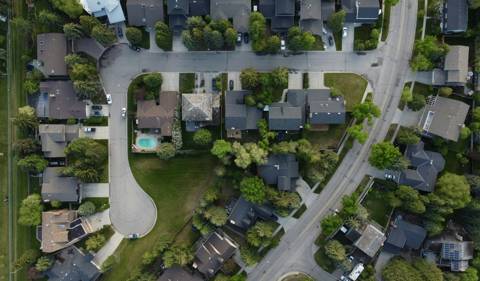
Find recent sales of similar properties, then adjust each one for differences in location, size, age, condition, date of sale and financing. Prices are often compared per unit of measure: per square foot for industrial and office, per suite for apartments, per acre or per buildable square foot for land.
It works best for houses, condos, vacant land and owner-occupied buildings, wherever there are enough good sales.
2. Income
Value is what the income is worth to an investor. There are two main methods.
- Direct capitalization: one year’s stabilized net operating income divided by a cap rate. See what a cap rate actually is.
- Discounted cash flow: forecast income over a holding period (often 10 years), add a sale price at the end, and discount it all back at a target return.
It works best for leased investment property: offices, industrial, retail plazas and apartment buildings.
3. Cost
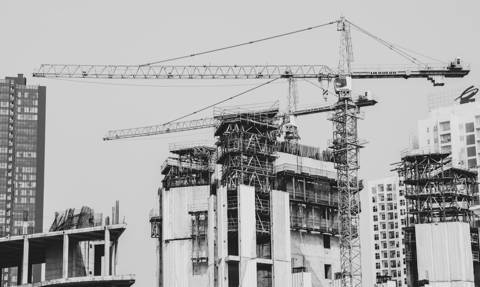
Land value, plus what it would cost to build the improvements new today, minus depreciation (physical wear, functional problems and outside factors).
It works best for new buildings, special-purpose properties with few sales (churches, schools, plants), and insurance work.
Reconciliation
The approaches rarely land on the same number. The final step weighs them by how reliable the data is and how a typical buyer of that property would think.
Why it mattersKnowing which approach drives a value tells you what to argue with. A cap rate debate is an income-approach problem; a bad comparable is a direct-comparison problem.
Keep reading


General information only. Not financial, legal or appraisal advice. Numbers in examples are illustrative.